INTRODUCTION: Water-cooled air conditioners are refrigerant-based air conditioners using the power of water, rather than air, to produce cooled air. These units typically use less energy than their air-cooling counterparts and can work in small spaces or...
OBJECTIVE: Introduction. Description of Technology. Individual components of the VAV box Performance Monitoring Advantages of VAV. Disadvantages OF VAV. Applications O VAV INTRODUCTION: Variable air volume (VAV)...
Introduction. Major components in RTU How Does a Rooftop Unit Work? Advantages of Rooftop Unit Disadvantages of Rooftop Unit Applications of Rooftop Unit INTRODUCTION A rooftop unit is a type of HVAC system mostly found in commercial buildings. ...
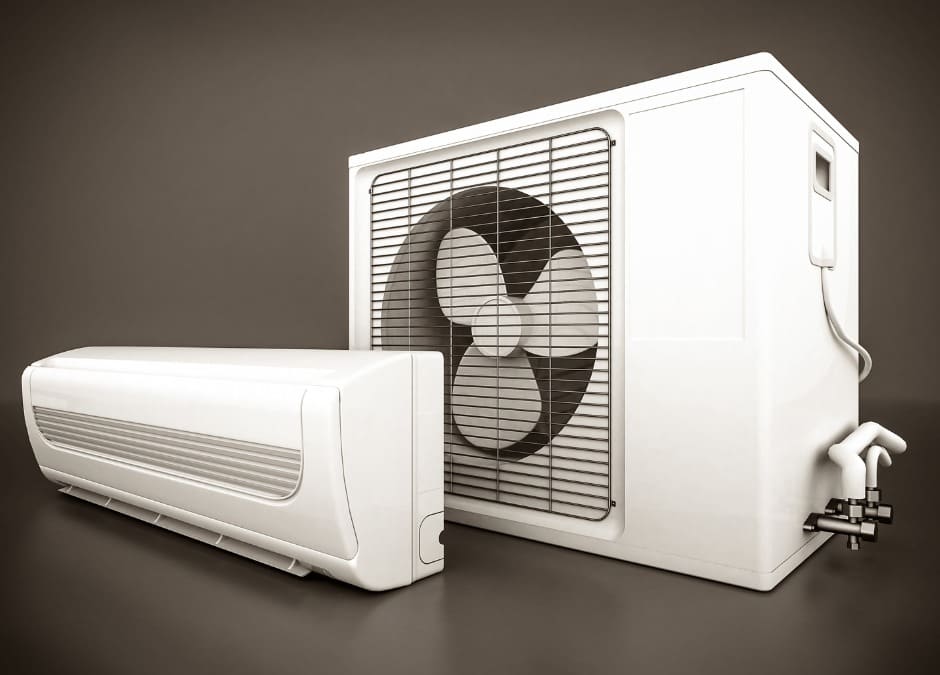
Index Objective Types Of Indoor Units Types Of Outdoor Units Indoor Unit Placement Conditions Outdoor Unit Placement Conditions OBJECTIVE OF AIR CONDITIONING It is treating the air to simultaneously control its temperature, humidity, cleanliness, and...
Objective: Cooling and Heating Cycle Only Cooling Cycle Only Heating Cycle What is Heat Recovery System Heat Recovery VRF provides simultaneous cooling and heating by transferring exhaust heat (or waste heat) from a cooled zone to a zone that requires...
Objective: Block diagram of VRV/VRF system. Refrigeration cycle of VRV/VRF system. History: 1982 VRV – Daikin developed VRV, the world’s first multi-split type air conditioner for commercial buildings. VRV and VRF are two different terms for the same...